

Digitising Iraq's public sector
We design, build, and operate the platforms that run ministries, governorates, and large enterprises across Iraq.
- +12ministries and institutions
- 18governorates
- +60engineers and specialists
Our Partners
 MicrosoftCloud & Productivity
 SAPEnterprise ERP
 EsriGIS & Mapping
 Palo Alto NetworksNext-Gen Firewall
 VMwareVirtualization Infrastructure
 VeeamBackup & Recovery
Babylon Intelligence delivers technology from the first assessment through to live operation, and then keeps it running.
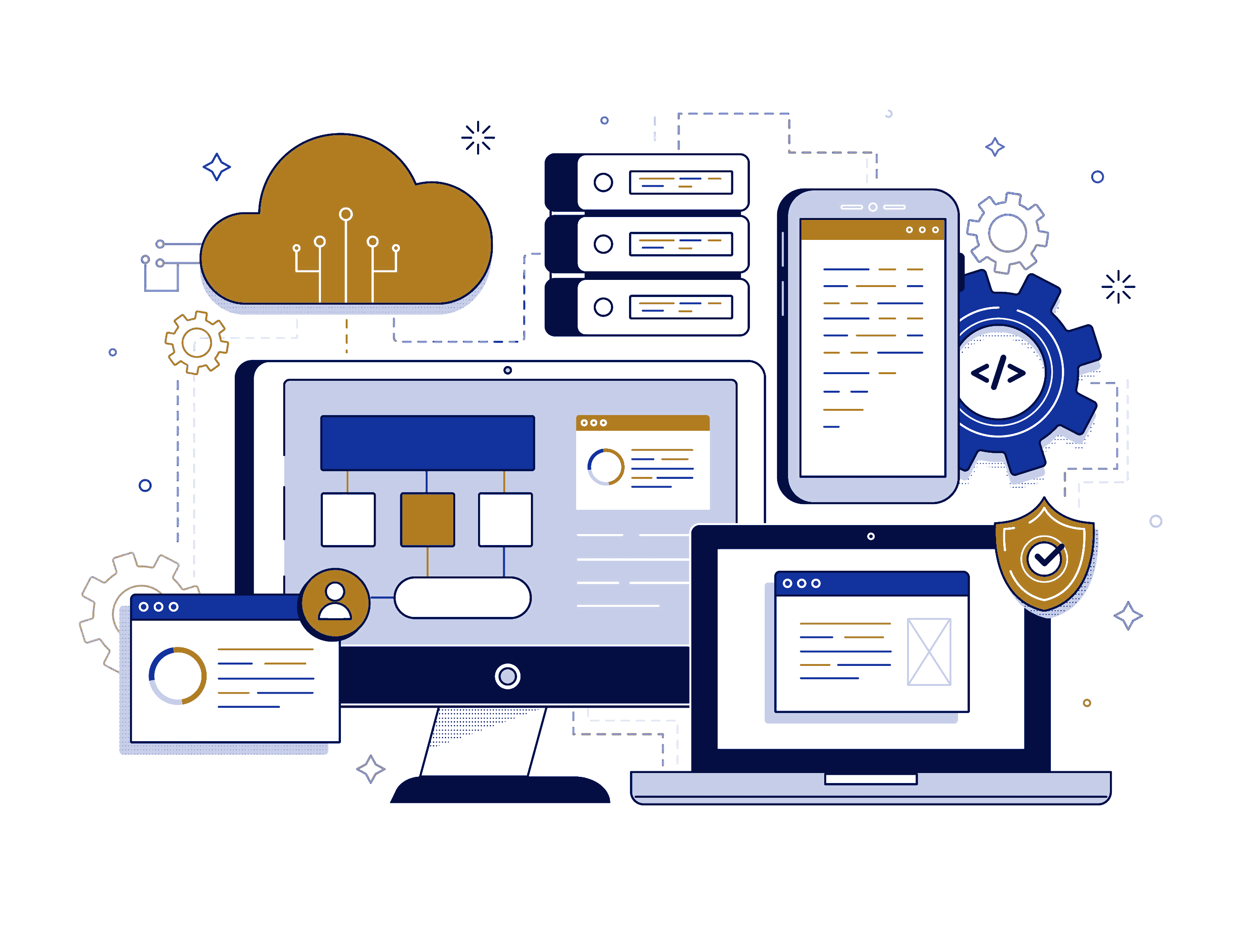
Most technology fails in Iraq for the same reasons. A system arrives without the infrastructure to carry it. An integrator hands over documentation and leaves. Staff are trained on a version that changes a month later.
We work the other way. We take responsibility for the whole chain, from power and network up to the software people use every day, and we stay involved once the system is live.
What we take responsibility for
- Systems architecture and technical specification
- Software design and development
- Data centres, power, and physical infrastructure
- Networks, connectivity, and cybersecurity
- Integration with the systems already in place
- Training, documentation, and handover
- Operation, monitoring, and long-term support
What We Do
Each practice can stand alone. Most of our work uses several at once, which is the point of keeping them under one roof.
Digital Transformation and E-Government
We take paper and disconnected processes and turn them into services citizens and staff can actually use. Process mapping, service design, digital workflows, and the governance to keep them running.
Enterprise Systems
Government resource planning and ERP: finance, payroll, procurement, assets, and correspondence unified in one system with real reporting behind it.
Data Centres and Infrastructure
Design and build of data centres, power protection, cooling, and structured cabling, plus the monitoring that tells you before something fails.
Networks and Cybersecurity
Enterprise networks, secure connectivity between sites, access control, and the security posture that public-sector data requires.
Data, Analytics, and AI
Dashboards that decision-makers trust, built on data pipelines that reconcile. Applied machine learning where it earns its cost.
Operation, support, and knowledge transfer
The work doesn't end at handover: operation and monitoring, technical support against agreed service levels, and training your staff to run the system themselves.
Citizen Services
Every institution we speak to wants its transactions automated. This is what that means in practice, walked through one routine request for an official document.
How it runs today
- The applicant travels to the office to collect a paper form, during working hours, in person.
- A file is opened by hand and moves between desks as a physical folder.
- Every approval needs a signature, and every signature needs the signatory to be present.
- There is no way to check progress except to return and ask.
- The record exists in one building. If it is lost, it is lost.
How it runs once rebuilt
- The request is submitted once, from anywhere, with identity verified at the point of submission.
- Routing is automatic: the file reaches the right desk in the right order, by rule rather than by hand.
- Approvals are recorded digitally, each one carrying who approved it and when.
- The applicant sees the status without calling or travelling.
- The record is stored, backed up, and auditable, and the same data feeds reporting.
Implementation Methodology
One methodology, applied to every project
From documenting the paper process to measuring its impact after go-live.
Assess
We map the process as it actually runs today: every step, every signature, every wait.
Design
Workshops with process owners until the new flow is approved before a line is written.
Build
We build the system and connect it to the entity's existing records and systems.
Enable
Staff training on the live system, with documentation that outlives the project.
Launch
Start with one transaction or one directorate, expand after it holds.
Measure
Completion time and digital-completion rates measured after go-live, not before.
What we build to make that true
Identity and access
Who the applicant is, and who inside the institution is permitted to act on the file.
The workflow engine
Routing rules, the order of approvals, and what happens when a step stalls or is refused.
Service and form design
The questions actually needed, in an order a citizen can answer without help.
Payment and fees
Collection, receipting, and reconciliation against the transaction it belongs to.
Integration with existing records
The systems already holding the data, so nothing is entered twice and nothing drifts apart.
Audit trail and reporting
Every action attributable after the fact, and the same data available for oversight.
The technical problems repeat across sectors. The regulatory and operational ones do not, so we plan for each.

Government and Public Administration
Ministries, governorate offices, and directorates moving to digital services and central oversight.
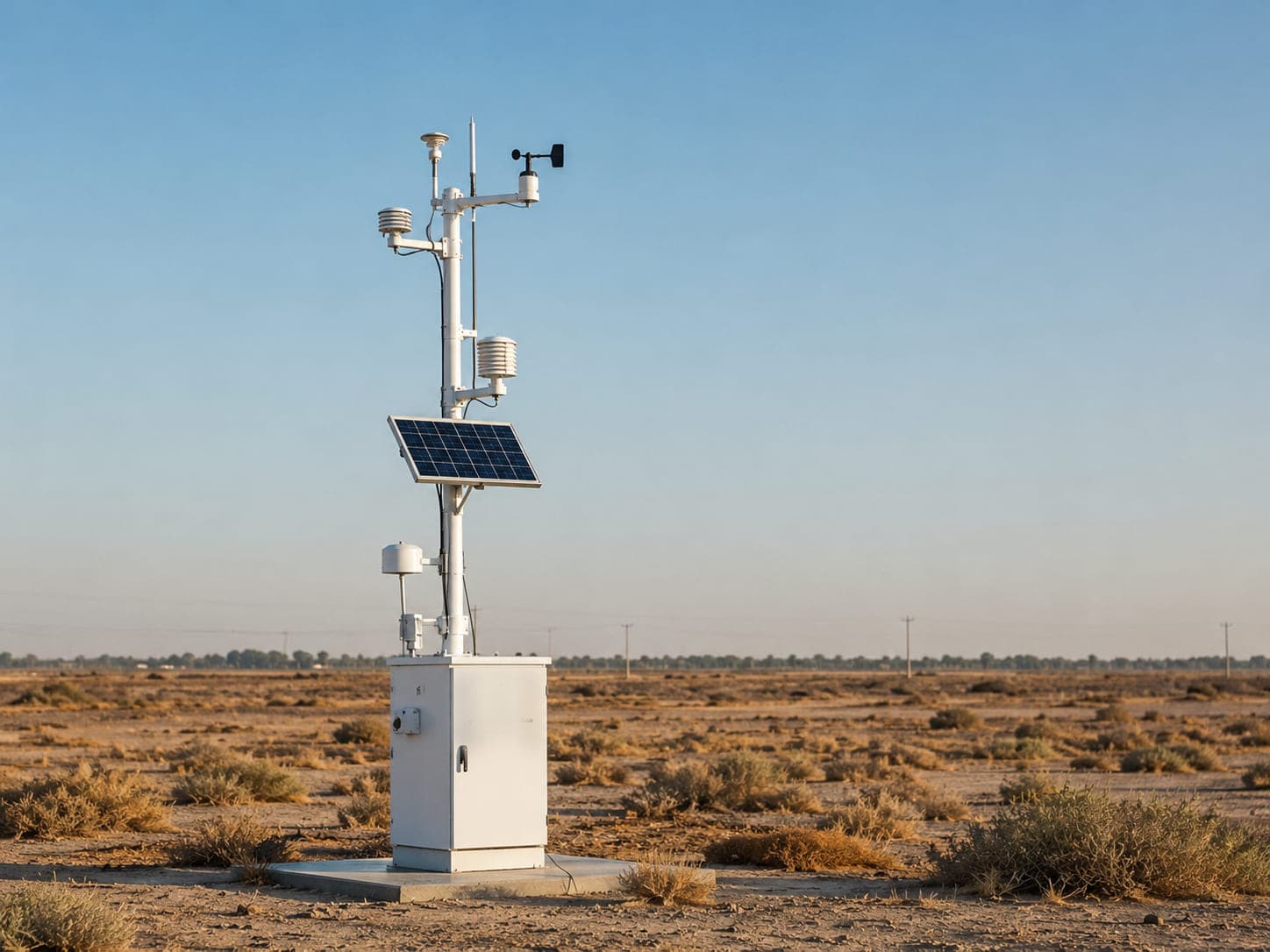
Environment
Monitoring networks, compliance reporting, and the data path that carries a field measurement through to national oversight.

Oil and Gas
Field connectivity, operational systems, and the security controls that critical energy infrastructure needs.
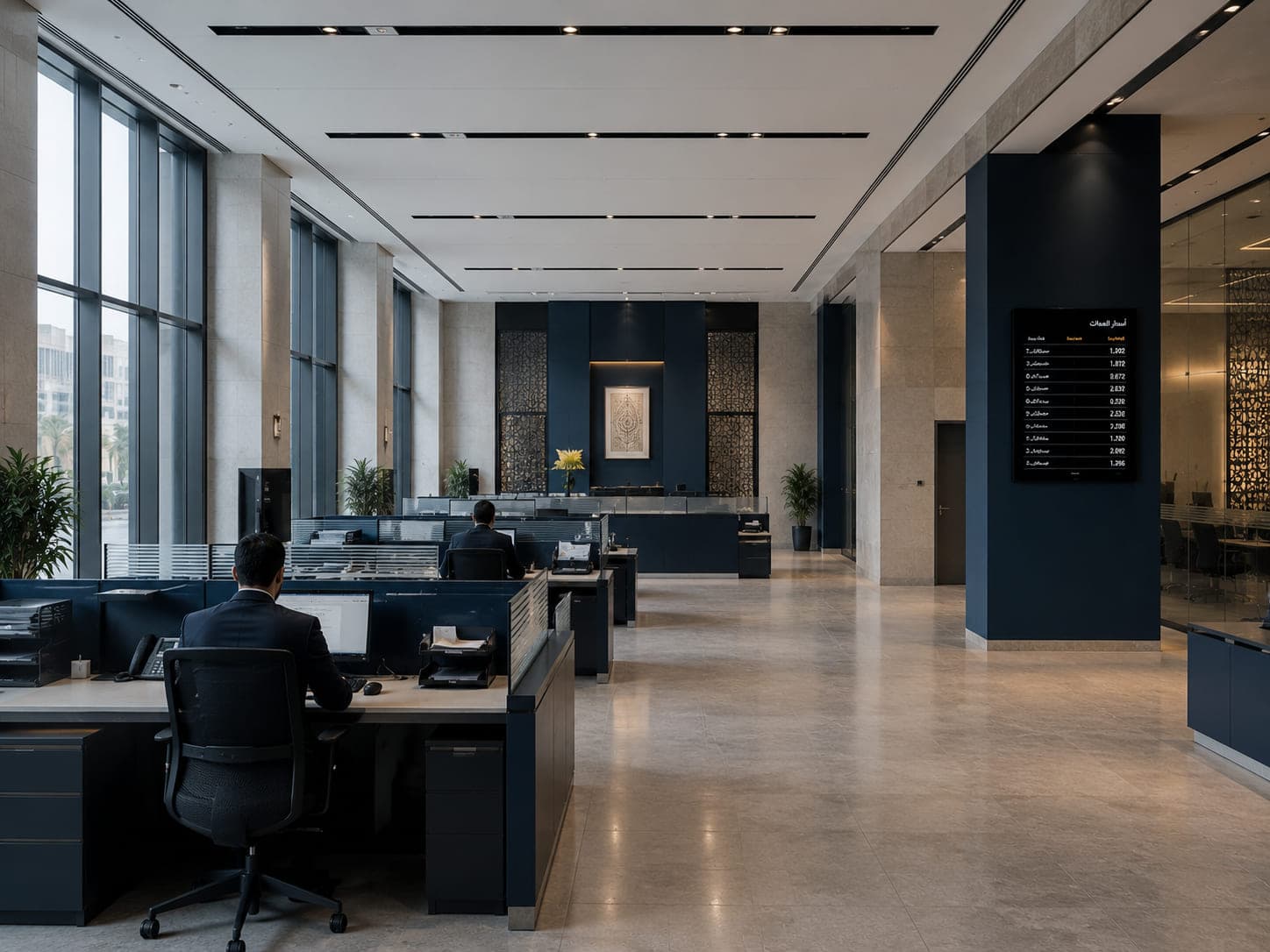
Banking and Finance
Core system integration, reporting, and the availability requirements financial operations run on.
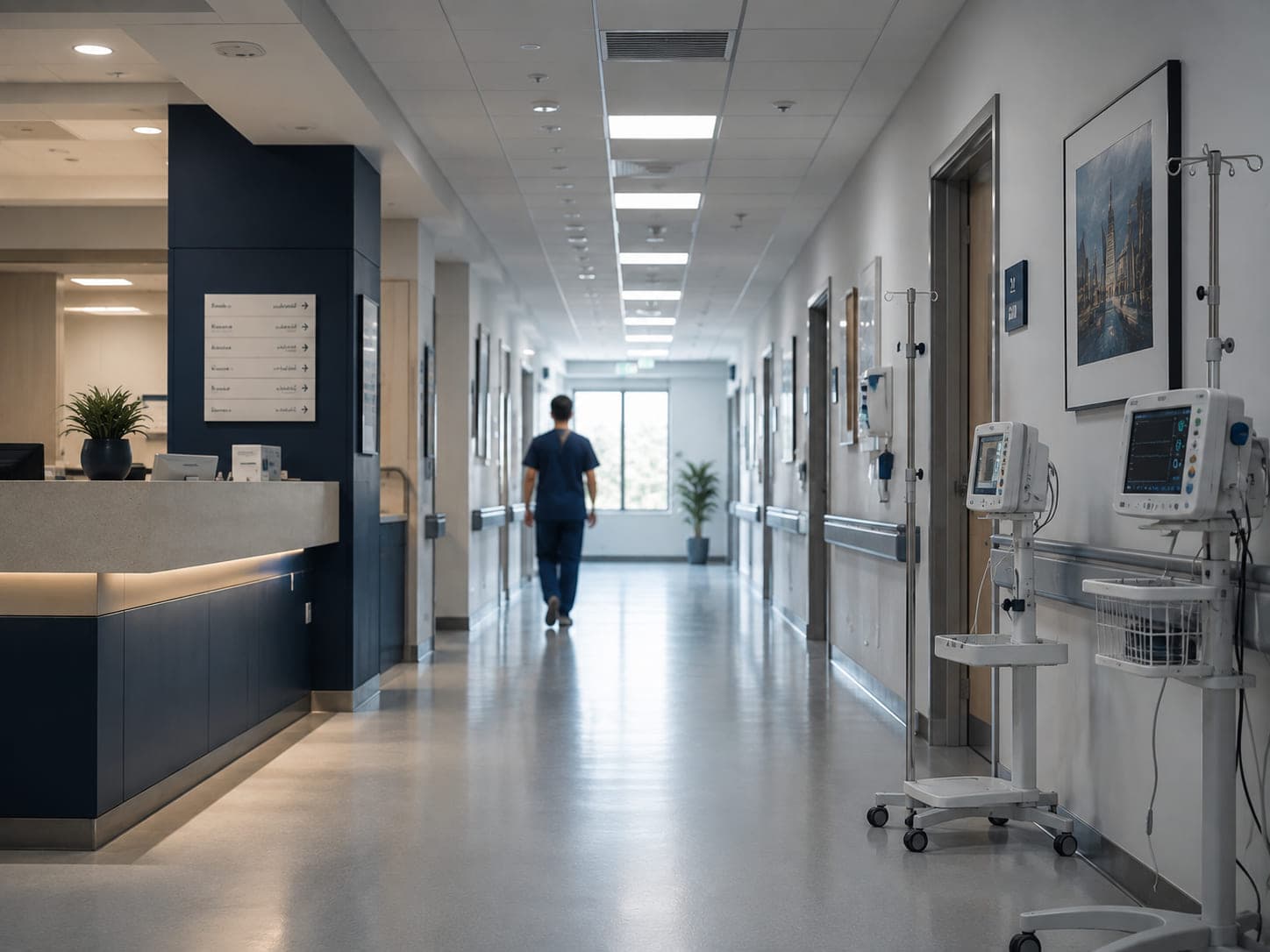
Healthcare
Hospital and clinic systems, patient records, and the infrastructure that keeps them available.

Education
Student and academic systems, campus networks, and connectivity across distributed sites.

Telecommunications
Operational support systems, network monitoring, and infrastructure for operators and providers.
What has actually changed in how institutions work, and why it matters now
From paper to structured data
Decades of paper transactions don't become a system just by being scanned. The real transformation starts when an image becomes a record that can be searched, linked, and analysed — and that is exactly where the underlying technology has changed radically in the last few years.
Arabic text recognition
Modern models read scanned Arabic documents — including low-quality scans and handwriting — with an accuracy that wasn't possible a few years ago.
Record matching
One name gets written a dozen different ways. Probabilistic matching models reconcile millions of duplicate records and leave staff to review, not search.
Analysis that wasn't possible before
Once data is structured, new questions become possible: which stage takes the longest? Which transaction type gets rejected most, and why? These are questions a paper archive can never answer.
The infrastructure underneath all of it
None of this runs without data centres, archiving systems, and networks built for real load. The least visible layer is the one that decides whether the system holds up.
AI is a tool inside a project, not a project on its own
We start with the process, not the model
The documented process and the actual process are never quite the same. The first phase is observing and documenting what really happens — because any system built on paper procedure alone fails in its first week of operation.
Where it earns its cost
Not every task needs a model. Matching, extraction, and analysis do; a clear conditional rule doesn't. We say so before the contract, not after.
Data comes first
A model built on unreliable data produces a beautiful dashboard nobody trusts. Getting the data right comes before everything else.
A system that works after we're gone
The only real test is whether the system is still running once the contract ends. We build for continued operation, not for handover.
Training and knowledge transfer
A system doesn't work if the staff don't know how to run it. We train the teams and document what we built, because permanent dependence on the vendor isn't a successful outcome.
Four stages, in order, with a named owner and a written deliverable at the end of each.
Assess
We survey what exists: the processes, the systems, the infrastructure, and the constraints nobody wrote down. The output is a written assessment you can act on even if you never hire us.
Design
Architecture, specification, integration plan, and a realistic schedule. Costs and dependencies are on the table before anything is procured.
Build
We develop, configure, and install in stages, testing against the specification as we go. You see working software and running infrastructure throughout, not at the end.
Operate
Training, documentation, and handover to your team, then monitoring and support for as long as the agreement runs.
If your question is not here, put it in the form below and we will answer it directly.
Do we have to replace the systems we already have?
Usually not. Integration with the systems already in place is one of the things we take responsibility for, and the assessment stage establishes what stays, what is extended, and what genuinely has to be replaced. That answer is written down and costed before anything is procured.
What does the first engagement look like?
An assessment. We survey the processes, the systems, the infrastructure, and the constraints nobody wrote down, and the output is a written assessment you can act on even if you never hire us. It is the basis for the design and the schedule that follow.
What happens once the system is live?
Training, documentation, and handover to your team, then monitoring and support for as long as the agreement runs. We do not treat go-live as the end of the engagement, because that is the point at which most systems in this market start to degrade.
Can you deliver where power and connectivity are unreliable?
That is why we take the whole chain rather than the software alone. Power protection, cooling, structured cabling, and connectivity between sites are part of what we design and install, and the monitoring is specified to tell you before something fails rather than after.
Will the system work in Arabic?
Yes, as a first-class language rather than a translation layer applied at the end. Interfaces, data entry, printed output, and reports are built to run right-to-left in Arabic from the design stage, which is a different job from translating an English system once it is finished.
Where would our data be held?
That is a decision taken at the design stage against your own requirements, and we build for on-premise, hosted, or a combination of the two. For public-sector work the residency and access rules are usually set by the institution, and the architecture follows them rather than the other way round.
Send the outline and we will come back with who should be in the room and what the first assessment would cover.
Or reach us directly
- info@babylon-intelligence.com
- +964 786 666 6667
- Babil Building, 2nd Floor, Al-Arasat Al-Hindiya, Baghdad, Iraq